
 08 July 2026
 Share
Share
1
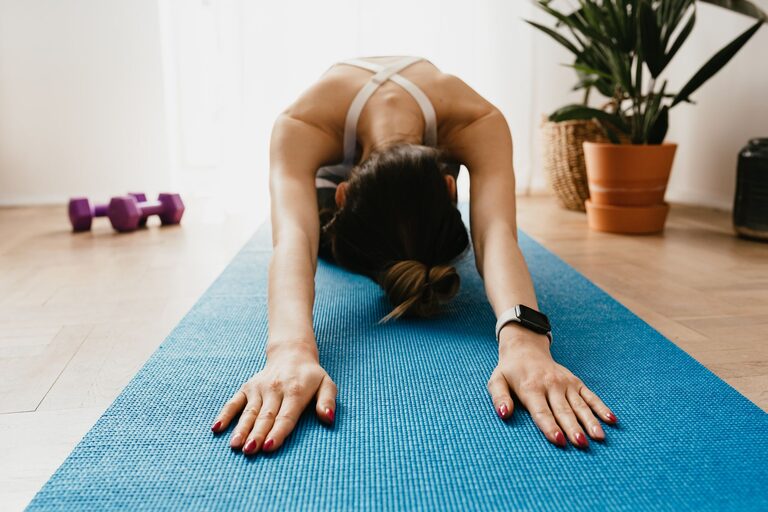
Stretching is an accessible and effective way to improve your flexibility, reduce muscle tension, and enhance overall well-being—all from the comfort of your own home. Whether you’re new to exercise or looking to add some gentle movement to your daily routine, stretching can benefit everyone. This beginner’s guide will walk you through the basics of stretching at home, including why it’s important, how to get started, and some easy stretches you can try today.
Stretching offers a variety of benefits for both your body and mind:
– Improves flexibility: Regular stretching helps your muscles and joints move more freely.
– Reduces muscle stiffness: Stretching can ease tightness and discomfort, especially if you sit for long periods.
– Enhances posture: Stretching key muscle groups can promote better alignment and posture.
– Increases circulation: Gentle stretching increases blood flow to muscles, supporting recovery.
– Relieves stress: Taking time to stretch can calm your mind and reduce feelings of stress.
Understanding these benefits highlights why incorporating stretching into your daily routine is a smart choice.
Before you begin, consider a few tips to create a safe and effective stretching practice:
– Warm up first: Stretching cold muscles can cause injury, so start with a few minutes of light activity like walking or marching in place.
– Choose a comfortable space: Find a quiet, clutter-free area at home with enough room to move.
– Wear comfortable clothing: Loose or stretchy clothes will help you move easily.
– Use a mat or soft surface: This adds comfort, especially for floor stretches.
– Listen to your body: Stretch to the point of mild tension, never pain. Avoid bouncing or forcing any movement.
There are several types of stretching, but beginners should focus on two main ones:
This involves holding a stretch in one position for 15-60 seconds. It’s great for improving overall flexibility and can be done after a workout or during a cooldown.
Dynamic stretching includes controlled movements that gently take your limbs through their full range of motion. This type serves as a warm-up to prepare your body for activity.
Here’s a simple routine to get you started with stretching at home. Aim to perform these stretches at least 3 times a week for best results.
– Sit or stand tall.
– Slowly tilt your head toward your right shoulder until you feel a gentle stretch on the left side.
– Hold for 20 seconds and switch sides.
– Repeat twice each side.
– Sit or stand with your back straight.
– Roll your shoulders forward in a circular motion 10 times.
– Then roll them backward 10 times.
– This helps release tension in the upper back and shoulders.
– Stand with your feet hip-width apart.
– Step your right foot slightly forward and keep it straight.
– Bend your left knee slightly and hinge at your hips to lower your torso toward your right leg.
– Hold for 20-30 seconds and switch legs.
– Repeat twice each side.
– Sit on the floor with your legs extended.
– Bend your right knee and cross it over the left leg, placing your right foot flat on the floor.
– Place your left elbow outside your right knee and gently twist your torso to the right.
– Hold for 20 seconds and repeat on the other side.
– Start on hands and knees.
– Inhale, arch your back by lifting your chest and tailbone toward the ceiling (Cow Pose).
– Exhale, round your spine by tucking your chin and tailbone (Cat Pose).
– Repeat 10 times slowly.
– Stand facing a wall with both hands placed on it.
– Step your right foot back, keeping the heel flat on the floor.
– Bend your left knee and lean toward the wall until you feel a stretch in the calf of your right leg.
– Hold for 20-30 seconds, then switch legs.
Making stretching a habit at home can be easy with these suggestions:
– Set a schedule: Pick specific times during the day, such as morning or evening.
– Keep it short: Even 10 minutes counts and helps build momentum.
– Incorporate breathing: Deep breaths improve relaxation and stretch quality.
– Track progress: Notice how your flexibility and comfort improve over time.
– Add variety: Explore new stretches or yoga poses to keep it interesting.
If you experience sharp pain, dizziness, or discomfort while stretching, stop immediately and consult with a healthcare professional if symptoms persist. Also, certain health conditions may require modified stretches or guidance from a physical therapist.
Stretching at home is a simple, budget-friendly way to improve your health and feel better in your body. By dedicating a few minutes regularly, you can increase your flexibility, reduce muscle tension, and enjoy greater ease of movement. Start slowly, listen to your body, and celebrate your progress along the way. Your body will thank you!
—
Feel free to bookmark this guide and return to it anytime you want to refresh your stretching routine. Happy stretching!
